Night
Runway lights, hangars, controls, chargers, and security systems keep working after the sun is gone.
The slogan
It is the joke, the poster, and the design brief. Solar gets the takeoff. Batteries make the landing possible after dark.
Solar is the takeoff. Batteries are the landing gear.

Why the line works
“We land where the sun don’t shine” is funny because it says the quiet part out loud: aviation does not happen only in perfect sunlight. Airports operate at night, in fog, during storms, under clouds, through peak demand, and sometimes during grid trouble.
That turns the SolarJets joke into something practical. Solar can be a powerful airport asset, but airport power must be designed for the hours when the panels are not producing.
One line, four meanings
It is comedy on the surface, but every meaning points back to real airport energy design.
Runway lights, hangars, controls, chargers, and security systems keep working after the sun is gone.
Solar production changes with weather, fog, smoke, season, shade, and time of day.
Power timing matters. Madame Kilowatt smiles when big loads arrive unmanaged.
Batteries and controls turn solar from a sunny promise into a broader operating strategy.

The night landing
A solar system can look heroic in daylight. The real airport question comes later: what happens when the aircraft comes in at night, the lights are on, the chargers are active, the equipment rooms are humming, and the grid is expensive or unreliable?
That is where the slogan earns its keep. Solar can charge the system. Batteries can carry the mission into the hours where sunlight is not available.
The poster logic
The line sounds like swagger from the pilot. The engineer hears it as a requirement.

He turns the slogan into a heroic announcement and somehow forgets to check the weather.
Meet Captain SolarJet
He turns the same slogan into batteries, controls, priorities, and a load schedule.
Meet Chief Battery
He heard the line and immediately asked who labeled the disconnects.
Meet Runway Ojisan
Battery translation
Solar gets attention because it is visible. Batteries often live in the quieter part of the story: equipment rooms, cabinets, controls, schedules, safety rules, and operating logic.
But for the SolarJets universe, the battery is the landing gear. Nobody applauds landing gear during takeoff, but everyone cares when it is time to come down.
Villains who prove the slogan
SolarJets.com gives the operating problems faces so nobody forgets them.

The weather monster who blocks the sun exactly when the solar-only speech gets confident.
Meet Cloudzilla
The peak-rate villain who appears when demand, chargers, and poor timing meet.
Meet Madame Kilowatt
The paperwork creature who reminds everyone that backup power still needs buildable drawings.
Meet the Permit Goblin
Microgrid meaning
A solar airport is not just panels and batteries scattered around the property. It is a coordinated system: generation, storage, chargers, priority circuits, monitoring, transfer logic, utility service, and people who know how it behaves.
The microgrid control room is where “We land where the sun don’t shine” becomes measurable. What is producing? What is stored? What is charging? What must stay on? What can wait?
Where the line points next
The slogan can lead the reader through the whole SolarJets.com universe.
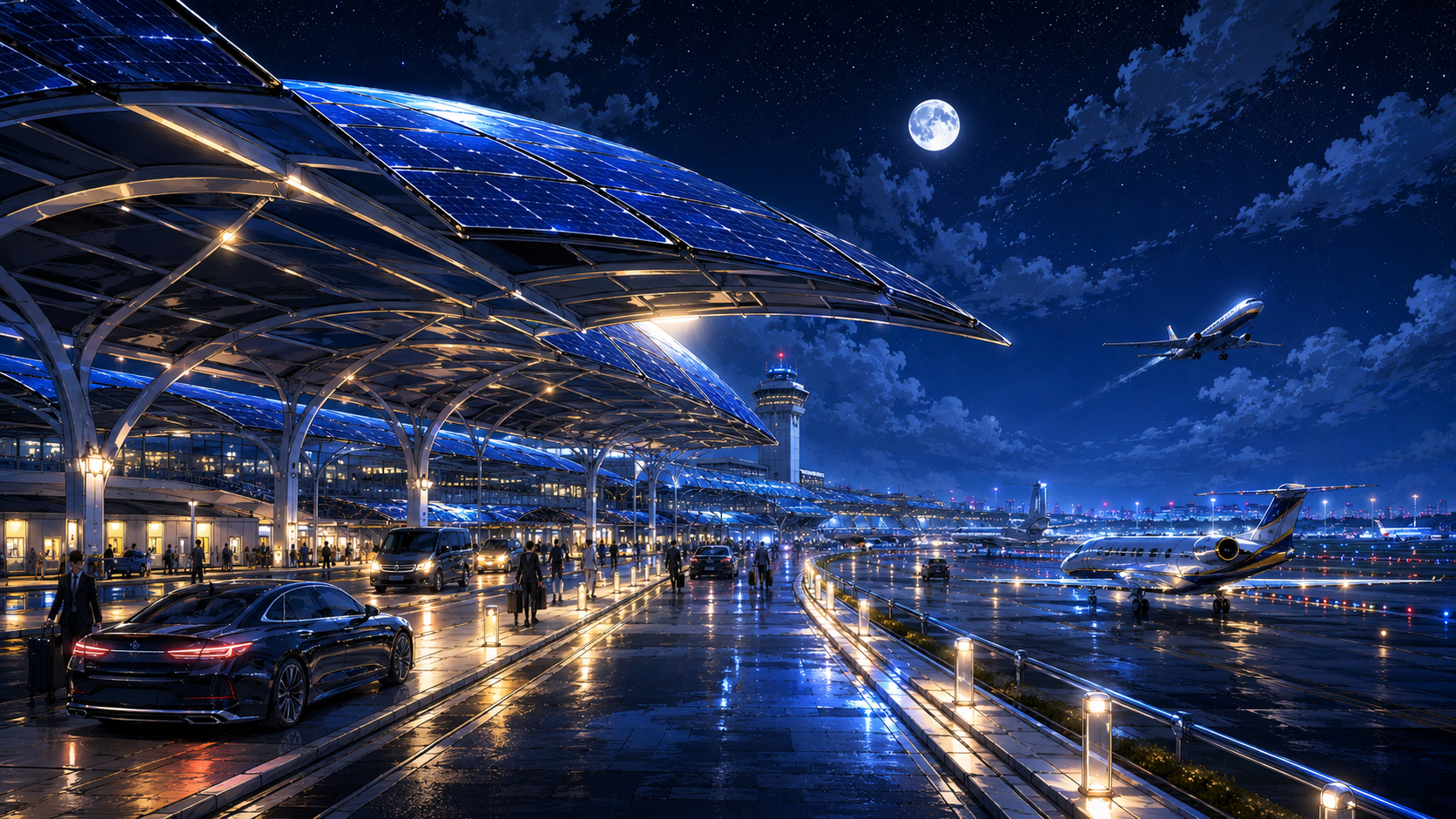
The bright side: canopies, rooftops, parking structures, hangars, and airport surfaces that can produce.
Explore airport solar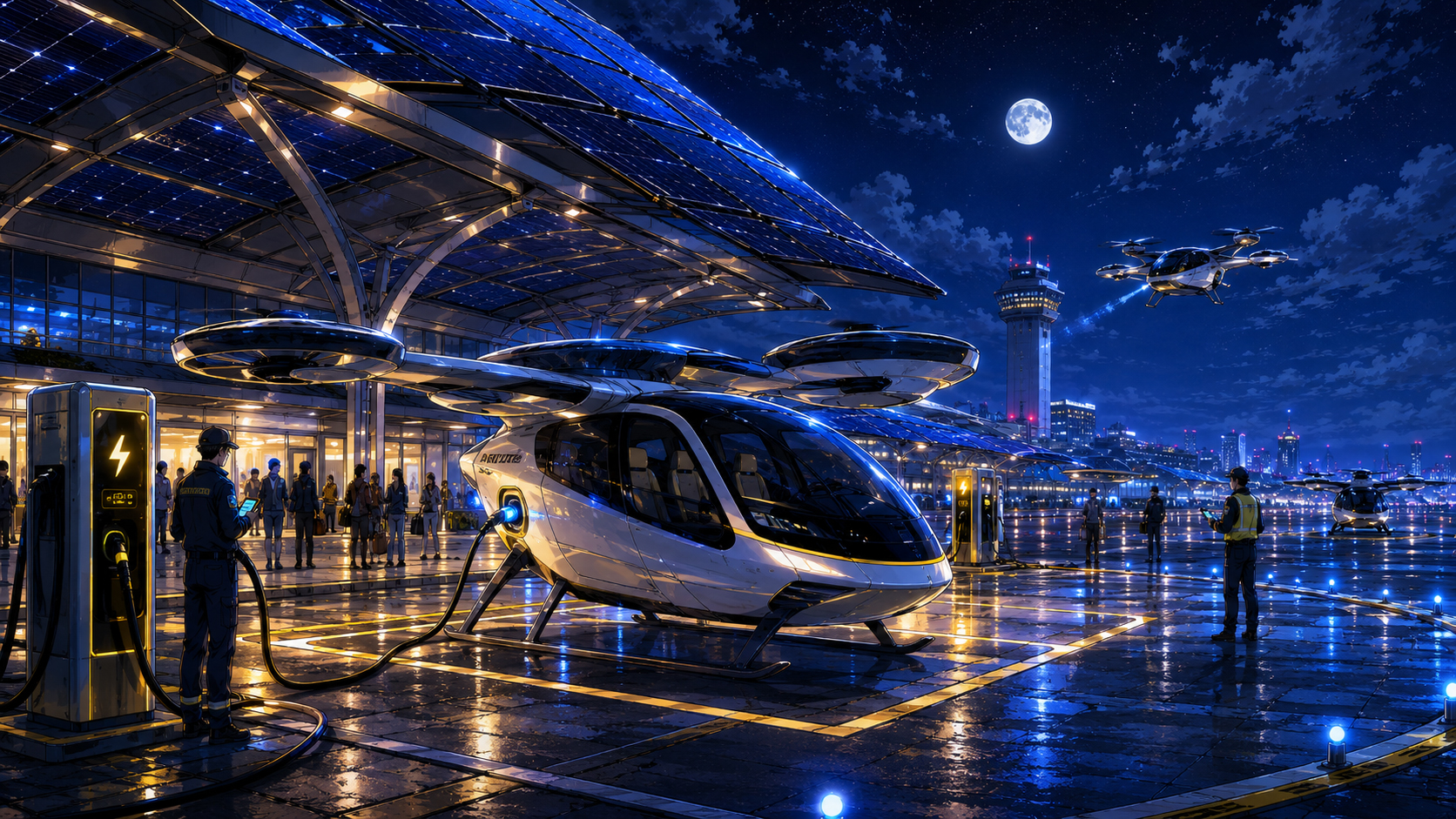
The future load: air taxis, charging, ground support, and facilities that need intelligent power.
Explore electric aviation
The people who wire the joke, test the system, label the equipment, and make the landing real.
Meet the crew