Panel 1
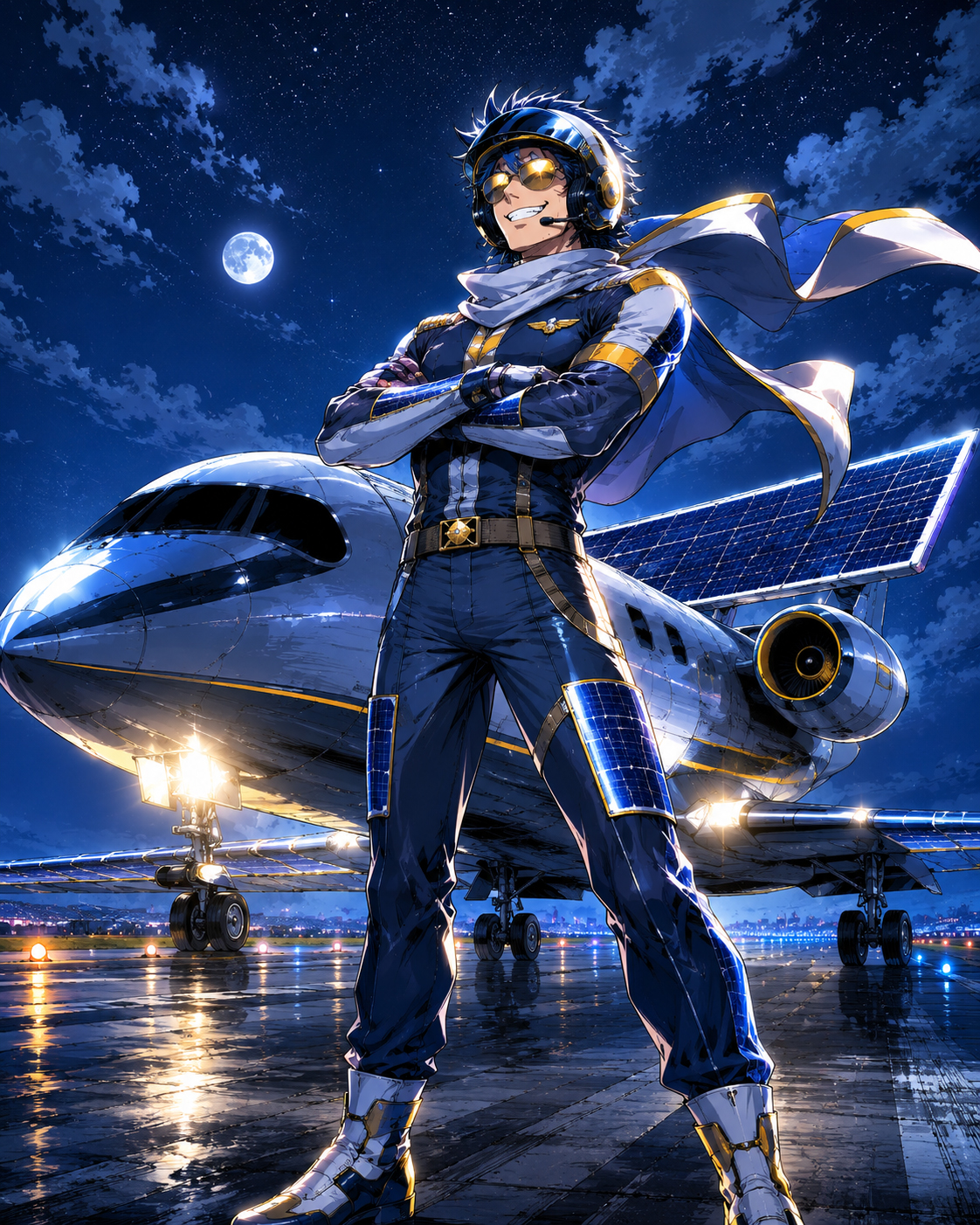
Captain SolarJet points at the sky: “Gentlemen, today we fly on pure sunlight!”
Manga episode
Captain SolarJet promises a glorious flight powered by pure sunlight. Then a giant cloud monster parks himself between the airport and the sun.
“Not today, Captain.” Cloudzilla, blocking the entire business plan.
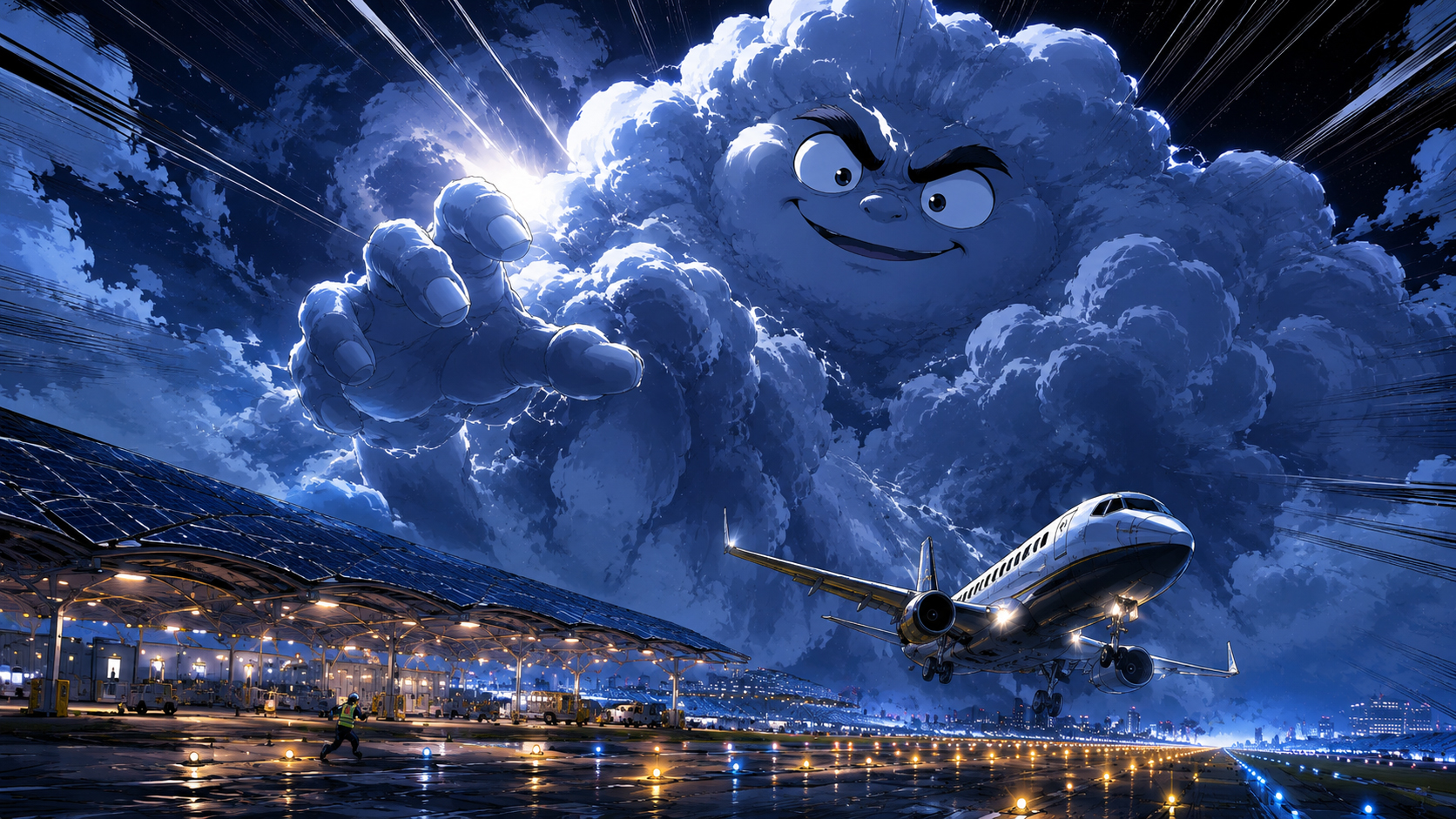
Episode opening
The airport is ready. The solar canopies are shining. Captain SolarJet steps onto the runway and announces that today’s flight will be powered by sunlight, courage, and excellent sunglasses.
Then Cloudzilla rolls across the sky like a weather report with a grudge. The light drops. The crowd gasps. Runway Ojisan drinks coffee like this is exactly what he expected.
Four-panel breakdown
A simple comedy sequence that explains why solar needs storage when the airport must keep working.
Captain SolarJet points at the sky: “Gentlemen, today we fly on pure sunlight!”
Cloudzilla appears, huge and smug, blocking the sun over the airport solar canopies.
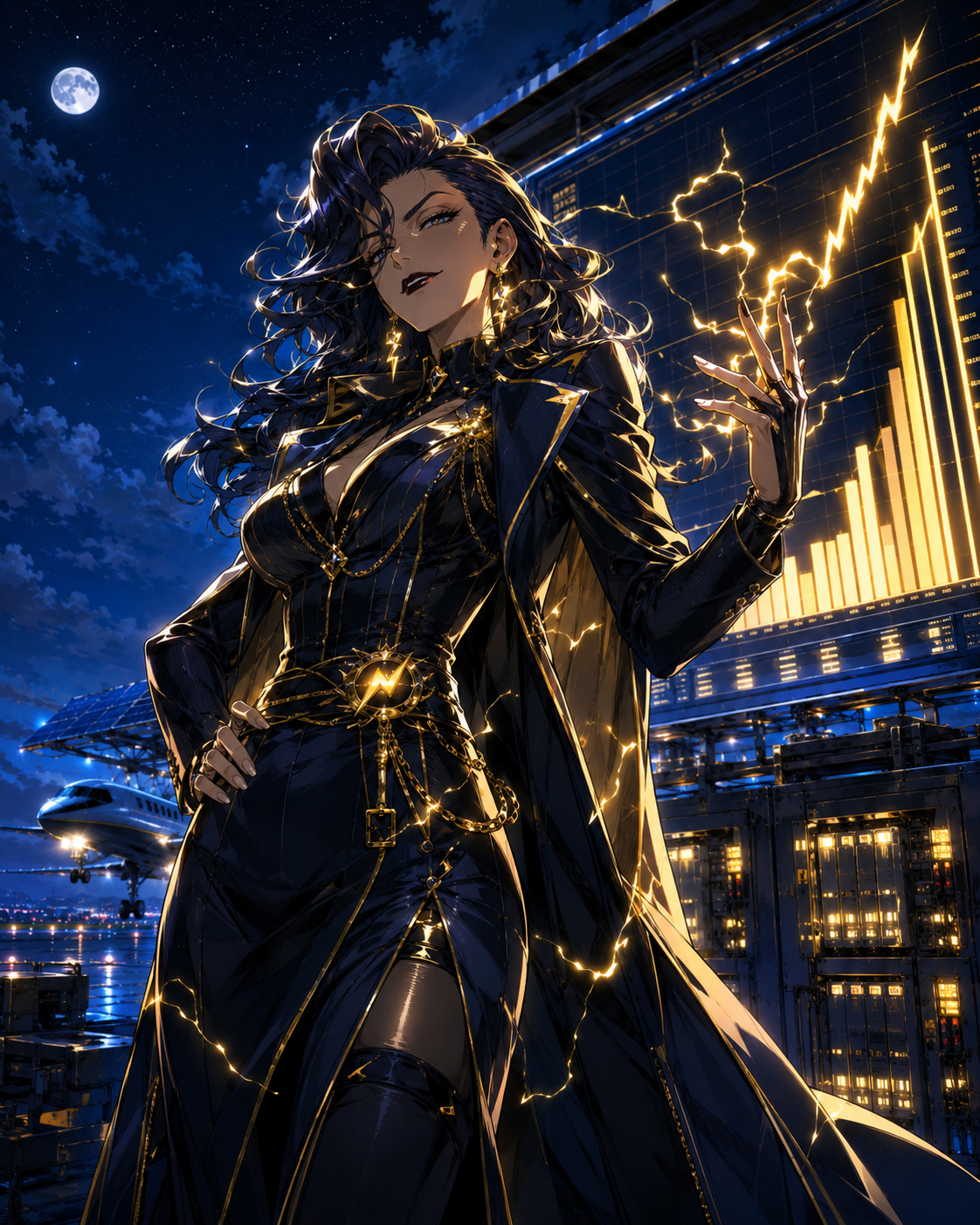
Captain SolarJet yells, “Where did my fuel go?” Madame Kilowatt smiles from the shadows.
Chief Battery opens the glowing battery room: “This is why airports need storage, Captain.”
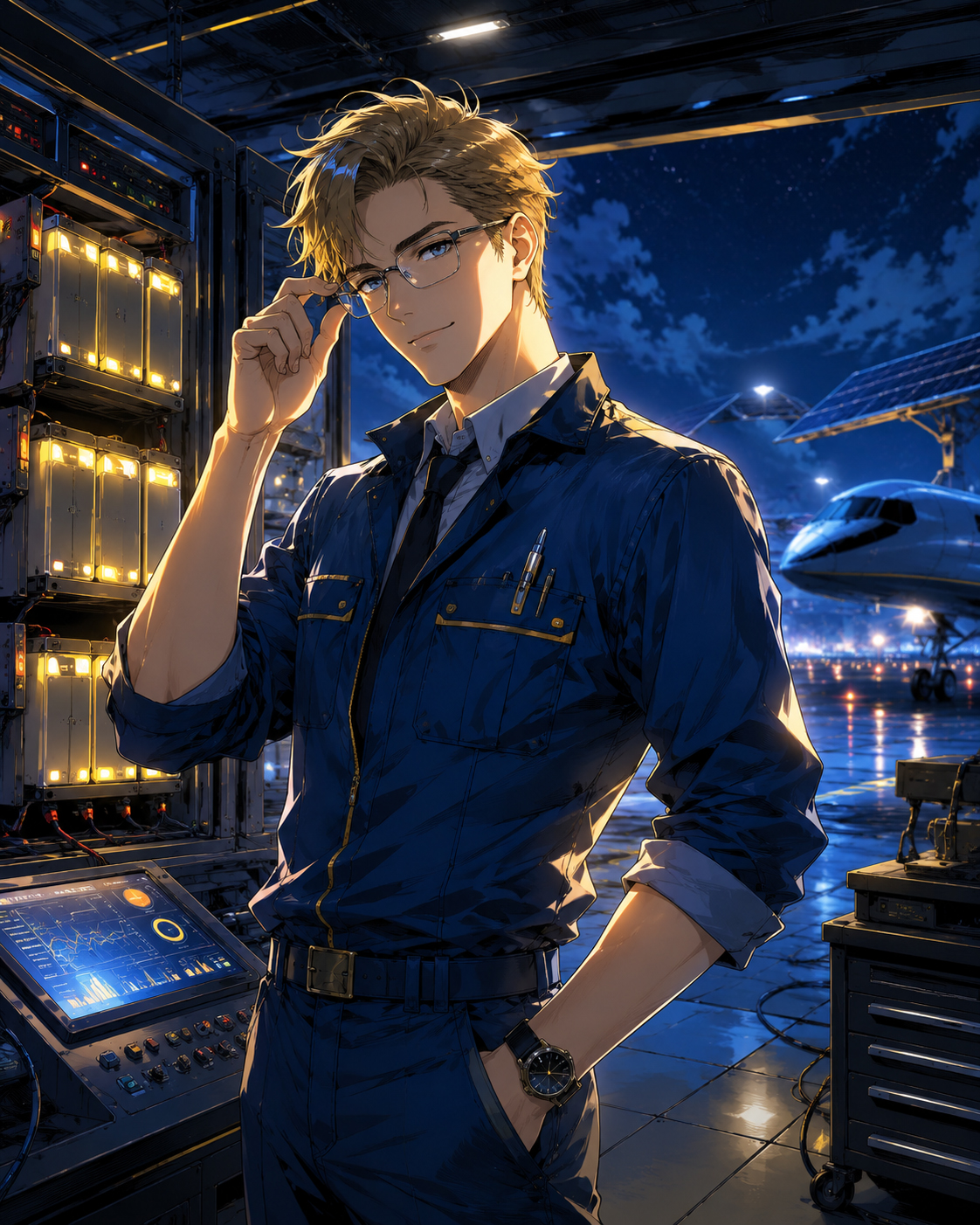
Chief Battery explains
Chief Battery is not surprised by Cloudzilla. He already had clouds, fog, smoke, evening demand, and night operation written into the plan. That is the difference between a heroic speech and a working system.
Solar production rises and falls. Airport loads keep asking for power anyway. The answer is not fear. The answer is storage, controls, load priority, and a system designed around real conditions.
What Cloudzilla reveals
Every attack is just a practical question wearing a cloud costume.
A solar airport needs to know what loads continue, what loads pause, and what the batteries should support.
Runway lighting, controls, security, communications, selected chargers, and hangar systems may not have equal priority.
Maintenance staff need labeling, monitoring, training, service access, and clear operating procedures.

The storage room scene
The best manga moment is not Captain SolarJet yelling at the cloud. It is Chief Battery walking into the hangar and showing the calm blue glow of stored power.
That is where the SolarJets comedy becomes useful: solar can be the source, but storage and controls help make it an operating resource when the sky stops cooperating.
The cast reacts
Cloudzilla’s attack is ridiculous, but each character sees the same problem from a different angle.
Knew the cloud was coming because he read the actual operating conditions.
Chief’s file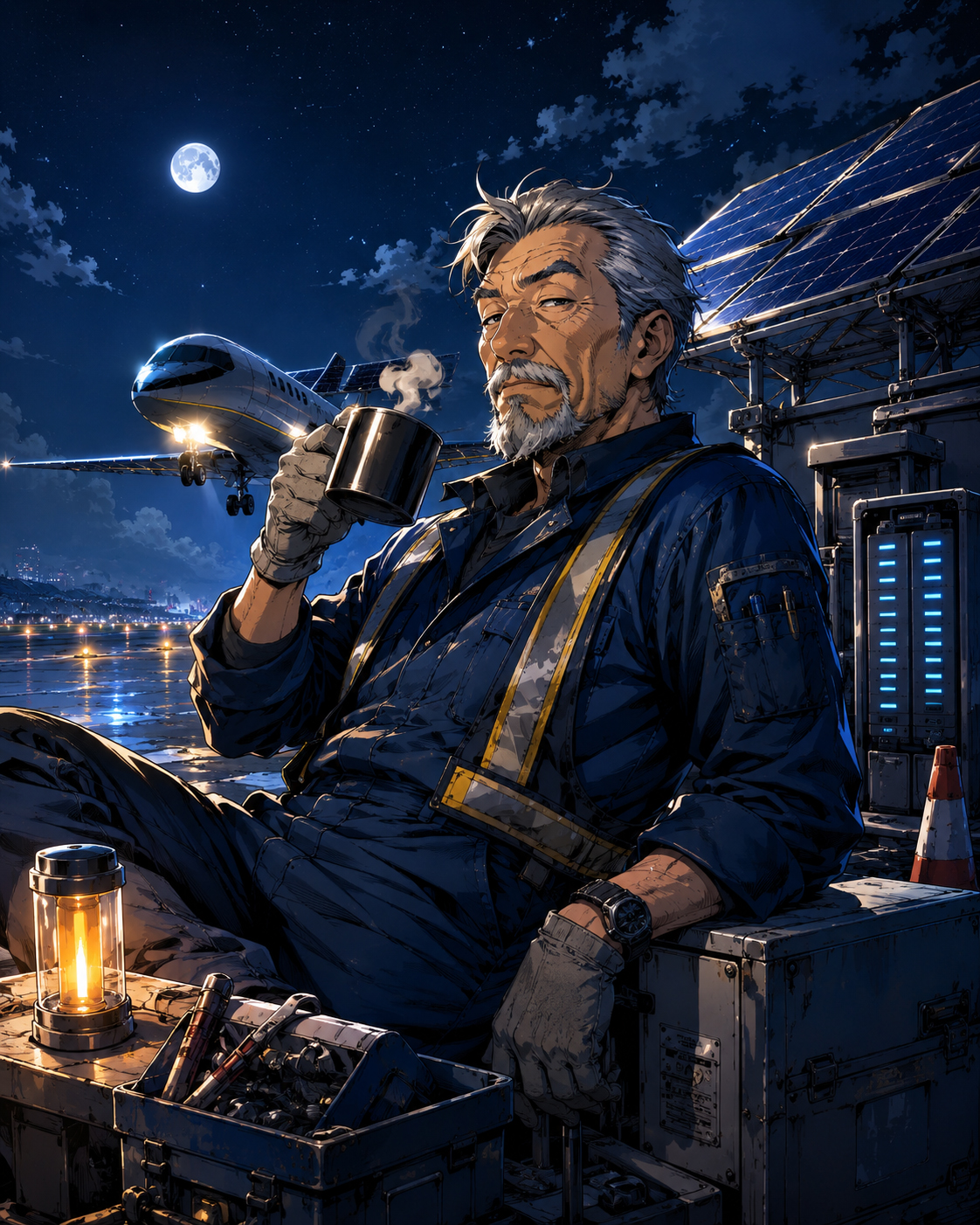
The airport test
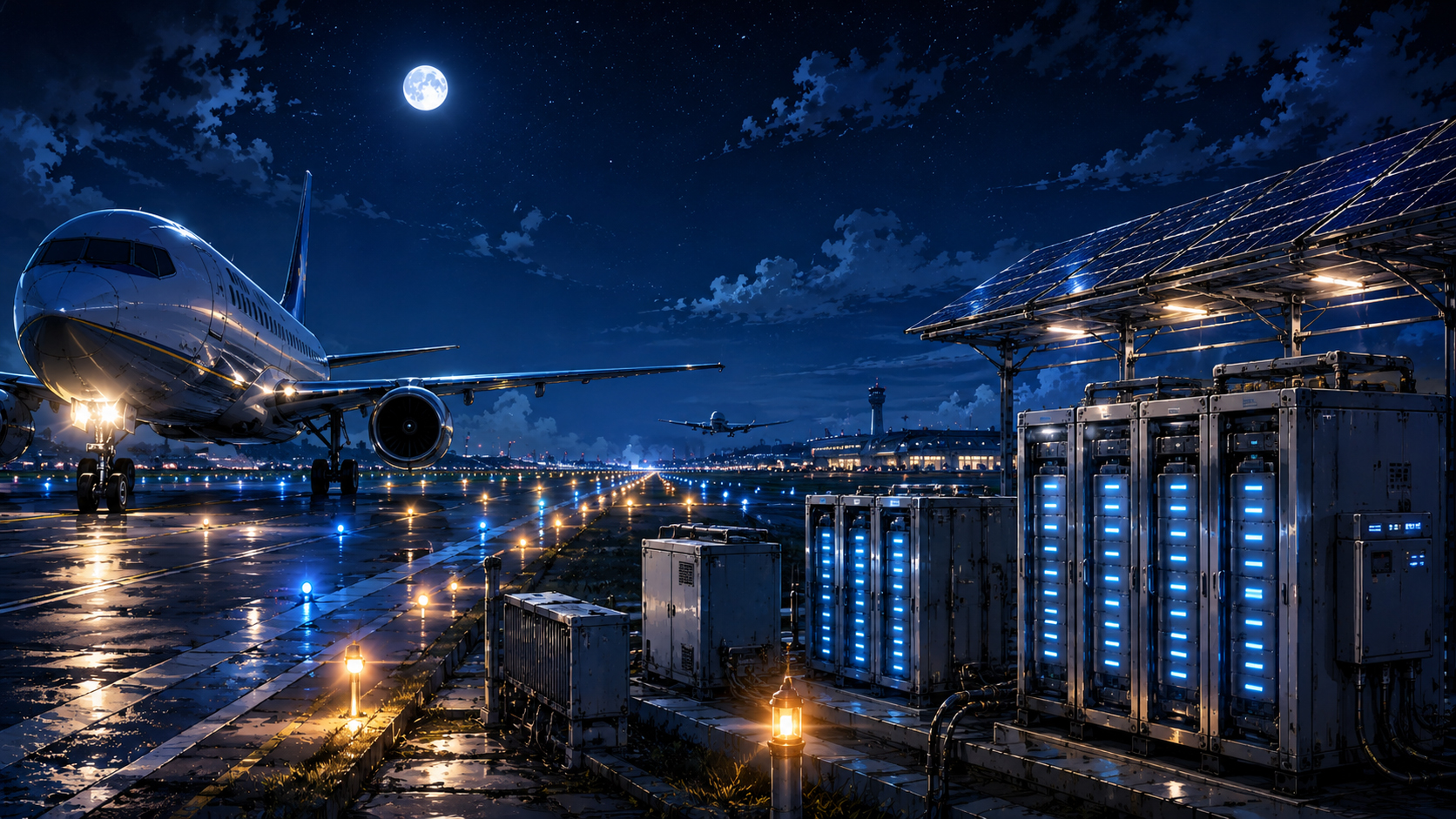
Cloudzilla’s biggest lesson is not about the jet. It is about the airport below. The runway lights, controls, hangar equipment, chargers, security systems, and operating loads still need a plan when the solar curve drops.
That is why “We land where the sun don’t shine” is more than a slogan. It is the practical demand that the energy system keep serving real work after the sun disappears.
Next pages
Once the sky changes, the story moves into batteries, microgrids, and the ground crew that makes it all work.
The storage lesson that turns the joke into an airport power strategy.
Open episode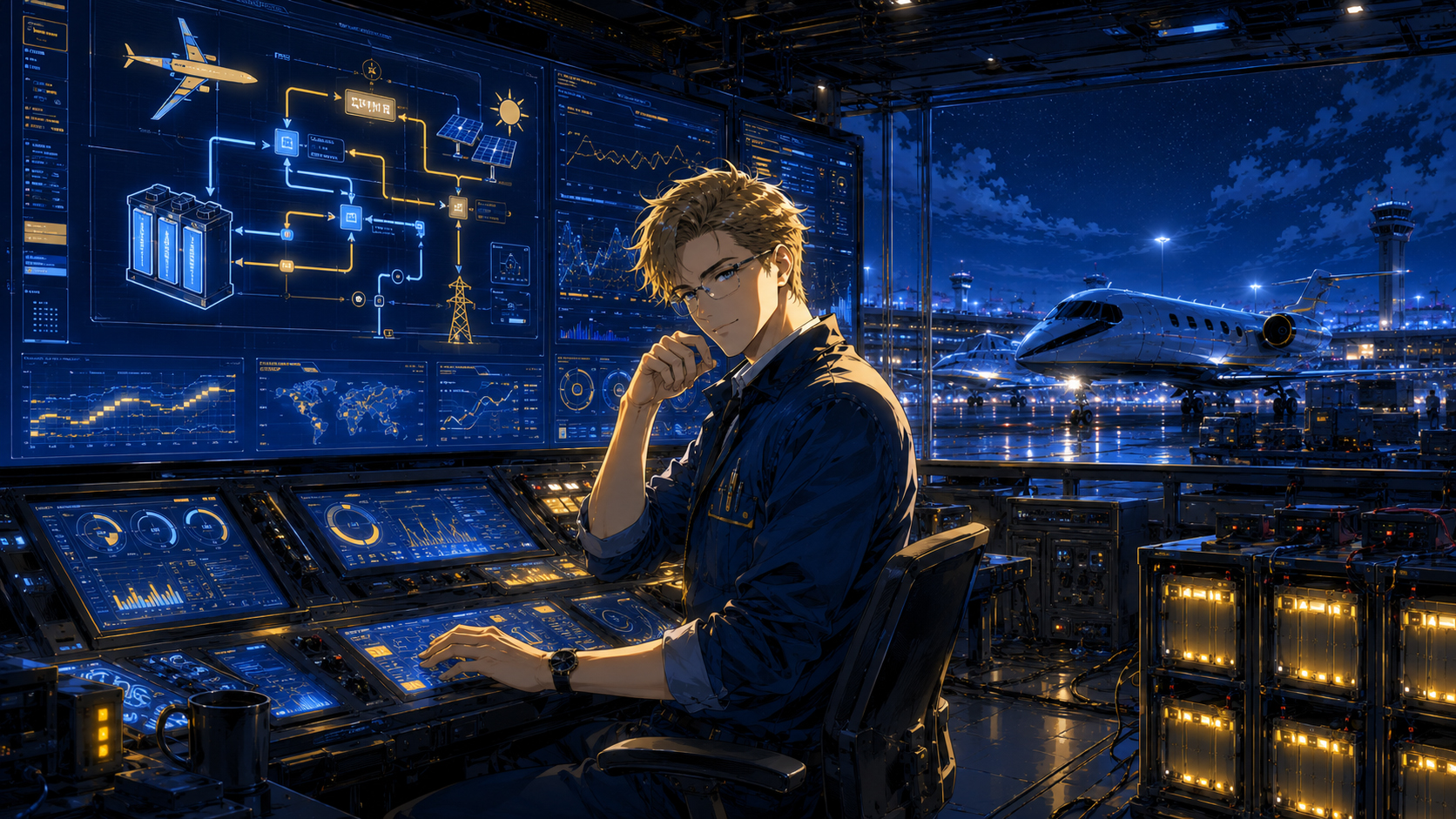
The control room that sees clouds, loads, batteries, chargers, and runway power as one system.
Enter control room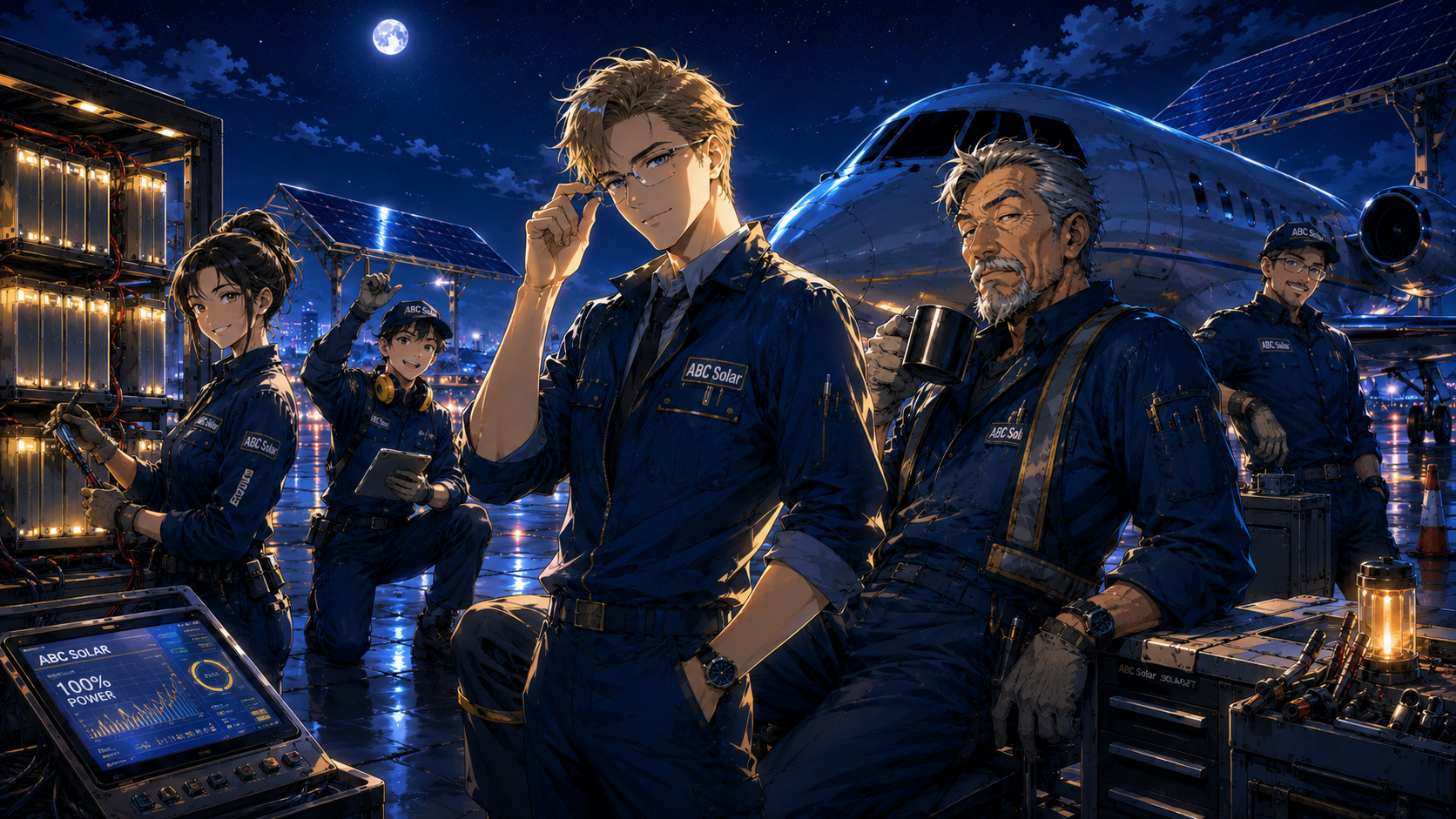
The people who wire the plan, test the system, and keep the airport from becoming a punchline.
Meet the crew